Are Drain Flies Harmful? A McKinney, TX Guide
Are drain flies harmful? For most McKinney, TX households, no: drain flies do not bite, sting or commonly spread disease. They are a sign that wet buildup in a drain, a leak or a sewer line problem is giving their larvae a place to grow. Call to be connected with a local provider if they keep coming back.
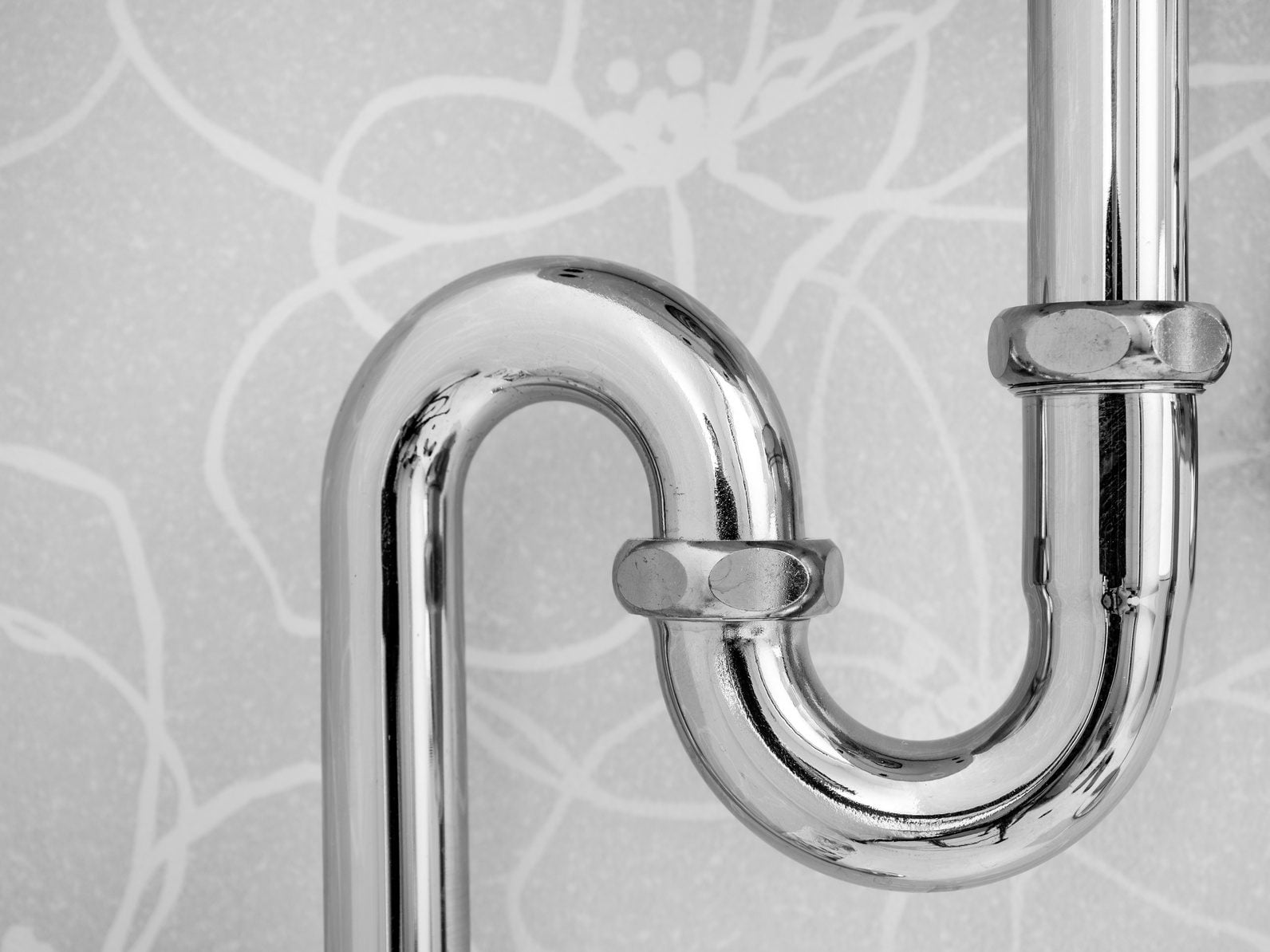
- Adult drain flies do not bite or sting people or pets.
- Drain flies are treated as a nuisance pest, but they breed in drain slime and can carry bacteria onto surfaces.
- The larvae live in the wet film inside drains, so killing adults alone does not end the problem.
- Flies that return after a week of cleaning can point to a hidden leak, a broken drain pipe or a sewer line issue.
- Texas law lets a property owner do plumbing in their own homestead without a plumbing license, but a city may still require a permit.
Are drain flies harmful to people?
Drain flies are not considered harmful to most people. These small, fuzzy flies do not bite or sting, and they are not known as a common cause of disease spread to people in homes. In McKinney houses, the bigger concern is what they signal: wet, slimy buildup in a drain or a hidden plumbing problem where they breed.
Drain flies are also called moth flies, sink flies or sewer flies. They are tiny, gray or tan, and hold their hairy wings over their backs like a little roof.
Myth or fact: do drain flies bite or spread disease?
Myth: drain flies bite. Fact: adult drain flies do not bite people or pets, and they do not sting. Their mouthparts are made for sipping liquid and feeding on the film inside drains.
Myth: drain flies are a major disease risk. Fact: they are generally treated as a nuisance pest. The realistic concern is that they walk across sewage and drain sludge, then land on other surfaces. That is why it makes sense to keep them off food prep areas and clean the drain they come from.
Fact: in rare cases, large numbers of flies may bother people with allergies or asthma. If you have health questions, talk to your doctor. This guide covers the plumbing side only.
Are drain fly larvae harmful?
Drain fly larvae are not harmful to touch for most people, but they are the real source of the problem. The larvae live in the slimy organic film that lines drains, overflow holes and sewer lines, and they feed on it. As long as that film stays wet, new flies keep hatching, no matter how many adults you swat.
Treat larvae as a sign that a drain needs cleaning or that water is collecting where it should not.
Need help now? Call to be connected with a local provider in McKinney who can check availability for your address.
What do drain flies say about my plumbing?
Drain flies mean water and organic buildup are sitting somewhere long enough for larvae to grow. Often it is just a sink or tub drain that needs a scrub. When flies keep coming back in a McKinney home after cleaning, the source may be a slow drain, a dry floor drain, a leak under a slab or a damaged sewer line.
Common breeding spots include:
- Sink and tub drains: hair, soap scum and toothpaste build a thick film under the stopper.
- Overflow holes: the opening near the top of a sink or tub collects slime that rarely gets cleaned.
- Unused drains: guest bathrooms, floor drains and garage sinks can dry out, letting sewer gas and flies in.
- Sewer lines: a crack, root intrusion or sag can hold sewage where flies breed and enter the house.
To find the source, put clear tape loosely over each drain at night and check which one catches flies by morning.
How do I get rid of drain flies safely?
To get rid of drain flies safely, remove the film they breed in. Bug spray only kills the adults you can see. In most McKinney homes, a stiff drain brush, hot water and an enzyme or bacteria-based drain cleaner, used for several days in a row, clears the source without harsh chemicals.
- Remove the stopper and pull out hair and gunk.
- Scrub the inside of the drain pipe and the overflow hole with a long, flexible brush.
- Flush with hot tap water.
- Use an enzyme drain cleaner as the label directs, often at night when the drain sits unused.
- Run water in unused drains about once a week so the trap stays full.
- Fix small drips under sinks and dry any wet cabinet floors.
Repeat for about a week, since eggs and larvae already in the drain can still hatch. If flies are still showing up after that, the source is probably somewhere you cannot reach.
When are drain flies a sign of a bigger problem?
Drain flies point to a bigger problem when they keep coming back after a week of careful cleaning, show up near a floor or wall with no drain, or arrive with a sewer smell, slow drains in several rooms or gurgling toilets. In McKinney, those signs are a reason to call and be connected with a local provider.
Watch for these warning signs:
- Flies coming from a crack in the floor, a baseboard or a shower pan.
- A rotten egg or sewage smell that does not go away.
- More than one drain backing up or draining slowly at the same time.
- Wet flooring, loose tiles or a damp spot that keeps returning.
These can mean a broken drain pipe below the slab, a failing seal around a toilet or a damaged sewer line. Our guide to telling a clogged drain from a sewer line problem explains more.
What happens during the visit?
A local provider will inspect the drains and plumbing tied to the flies, explain the options in plain words and give you a written quote before any work starts. You decide what to approve.
- Inspection: the provider checks the drains where flies appear, looks for slow flow, dry traps and leaks, and may suggest a camera look inside a drain or sewer line if the source is hidden.
- Options explained: you hear whether drain cleaning is likely enough, or whether a leak, a broken drain pipe or a sewer line issue needs attention.
- Written quote: the scope and parts are written down before work begins, so you can compare and decide.
No visit length or start time can be promised in advance. It depends on the problem and the provider's schedule. You can also read about drain cleaning in McKinney and sewer line repair.
Drain flies in McKinney and nearby towns
Many homes around McKinney sit on the Blackland Prairie, which extends from north of Dallas south to San Antonio. Its highly expansive clays "shrink and swell markedly with changes in moisture content." When drain flies keep returning with no clear source, it makes sense to ask a provider to check drain and sewer lines below the house, not just the sink.
At DFW Airport, the average first freeze is November 22, but flies breeding inside a warm house do not stop when it gets cold outside.
A hidden leak that feeds flies can also cause damage. The Texas Department of Insurance says most homeowner and renters policies cover sudden and accidental water damage, but usually won't cover damage from gradual leaks or seepage, and warns that "Mold can start growing within a day after a leak." Check your policy and document what you find.
If you want to handle it yourself, Texas law states that "A property owner is not required to be licensed under this chapter to perform plumbing in the property owner's homestead." If you hire help, the Texas State Board of Plumbing Examiners (TSBPE) licenses plumbers in Texas and notes that Master Plumber license numbers begin with the letter "M."
The same advice applies in McKinney, Allen, Frisco, Prosper, Celina and Princeton. See the service areas page, or call (469) 409-0268 to be connected with a local provider.
Related pages
Questions people ask
Are drain flies harmful to humans?
No, drain flies are generally not harmful to humans. They do not bite or sting, and they are treated as a nuisance pest. Because they breed in drain slime, keep them away from food and clean the drain they come from.
Do drain flies bite?
No, drain flies do not bite people or pets. If you are getting bites indoors, look for another pest, such as fleas or mosquitoes.
Are drain fly larvae harmful if I touch them?
Drain fly larvae are not harmful to touch for most people, but wash your hands afterward because they live in drain sludge. The larvae are what keep the problem going, so cleaning them out of the drain matters more than killing adult flies.
Can drain flies make you sick?
Drain flies are not a common cause of illness, but they can carry bacteria from drains onto surfaces. Wipe counters near infested sinks, cover food and clear the breeding spot. Ask your doctor about any health concerns.
Are drain flies harmful to dogs and cats?
No, drain flies are not considered harmful to dogs or cats. The bigger risk to pets is harsh drain chemicals, so keep pets away from treated drains.
Why do I suddenly have drain flies in my bathroom?
Sudden drain flies in a bathroom usually mean a sink or tub drain has built up enough hair and soap film for larvae to grow. An unused shower or a dry floor drain can also let them in. Clean the drain and run water in unused fixtures.
How do I know which drain the flies are coming from?
Use the tape test: put clear tape loosely over each drain at night and check it in the morning. The drain with flies stuck to the tape is the source.
Does bleach kill drain flies?
Bleach often runs through the drain too fast to remove the film where larvae live. A drain brush, hot water and an enzyme drain cleaner used for several days usually work better and are safer for pipes and pets.
How long does it take to get rid of drain flies?
It usually takes about a week of daily drain cleaning to stop drain flies, because eggs and larvae already in the drain can still hatch. If they keep coming after that, the source is likely somewhere you cannot reach.
Why do drain flies keep coming back after I clean the drain?
Drain flies that keep coming back usually mean you have not reached the breeding spot. It may be deeper in the pipe, in an overflow hole, under the floor or in a damaged sewer line. Call to be connected with a local provider if a week of cleaning does not work.
Can drain flies mean I have a broken sewer line?
Yes, drain flies can be a sign of a broken sewer line, especially if they come with a sewage smell, several slow drains or flies near a crack in the floor. A camera inspection can show what is happening inside the line.
Are drain flies a sign of a slab leak?
Drain flies can point to a leak under the slab when they come from cracks in the floor or appear with wet flooring and a musty smell. A leak or broken drain pipe below the house can keep soil wet enough for them to breed.
Are drain flies a problem in McKinney in the winter?
Yes, drain flies can stay active indoors in McKinney during winter, because drains inside a heated home stay warm and wet. Cold weather outside does not stop them.
Can I fix the plumbing behind drain flies myself in Texas?
Texas law lets a property owner do plumbing work in their own homestead without a plumbing license, though a city may still require a permit for some jobs. Simple drain cleaning is a reasonable DIY step. A hidden leak or sewer line problem is a job for a provider.
How do I check if a plumber is licensed in Texas?
Look up the license with the Texas State Board of Plumbing Examiners (TSBPE). TSBPE suggests getting the name of the company's Responsible Master Plumber, and Master Plumber license numbers begin with the letter "M."
Who can I call about drain flies in Allen, Frisco or Prosper?
Call (469) 409-0268 to be connected with a local provider serving McKinney, Allen, Frisco, Prosper and nearby towns. The provider can check availability for your address and explain the next step.
Talk to someone about your plumbing problem
Call to be connected with a local provider who can check availability for your address and explain the next step.