Confirming it is under the slab
Plenty of things look like a slab leak and are not, including a leaking shower pan, a failed toilet seal or an irrigation line. Isolating the system separates those before any concrete is discussed.
A leak in a water line under the concrete does not announce itself. An independent plumber can locate it first, explain the repair choices and their effect on your floors, then open the slab once, in the right place.
Most of McKinney's post-1990 housing sits on a slab poured over Blackland Prairie clay, and that clay swells and shrinks a great deal between a wet spring and a dry August. That movement is hard on anything cast into or running under the concrete, which is why slab leaks are a normal part of plumbing life here rather than a freak event.
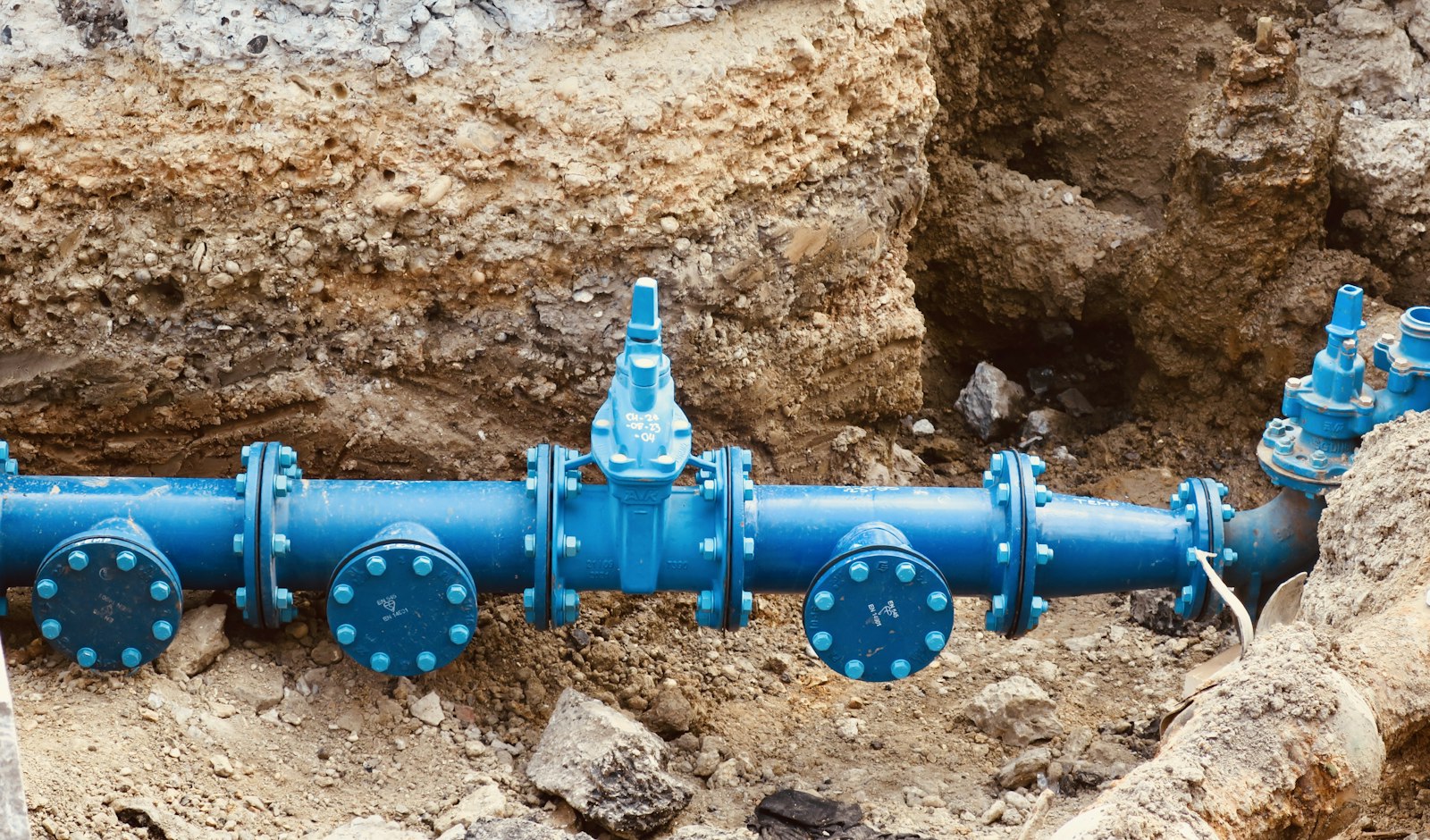
The order matters on this job. Confirm there is a leak, place it accurately, agree the approach, then open the floor. Ask for a quote on each stage so you can see what you are approving.
Plenty of things look like a slab leak and are not, including a leaking shower pan, a failed toilet seal or an irrigation line. Isolating the system separates those before any concrete is discussed.
Pressure testing and listening equipment narrow it to a specific area of floor. The smaller that area, the smaller the opening and the less flooring has to come up.
Opening the slab and repairing in place, rerouting the affected line through the attic or walls, or replacing a whole run. Each has different disruption, and you should hear the trade-offs before choosing.
A single leak on an otherwise sound system often justifies a spot repair through the slab. Where a line has leaked more than once, or the pipe material has a known history of failures, rerouting that line away from the concrete usually makes more sense than repairing it again in a different spot.
Ask what happens to the flooring, how the concrete and any vapor barrier will be reinstated, and who is responsible for putting the finished floor back. Those answers should be in the quote rather than discovered afterwards.
If you are not yet sure the leak is under the slab, start with leak detection and read the slab leak warning signs. Drain-side problems under a slab behave differently and belong with sewer line repair. Larger-lot properties in Fairview have longer runs to consider as well.
Where the leak sits, what is on top of the slab and which repair method you choose. A leak under a closet is easier to reach than one under a tiled kitchen island. Ask the independent plumber to price detection and repair separately and explain both first.
Often yes, but not always. If the leak is on the hot side you may notice pressure and heating costs before damage appears. If flooring is lifting or you can hear water constantly, shut the main off at the meter box and call.
A leak that has run for a long time can wash out soil under the slab and worsen the movement this clay already causes. That is the main reason not to wait once the signs are clear. A structural opinion is a separate matter from the plumbing repair.
It depends on the pipe's history. One leak on a sound line is usually worth a spot repair. Repeated leaks on the same line point toward rerouting it out of the concrete, which costs more up front and avoids reopening the floor later.
Call and describe the problem to be connected with an independent plumber.